
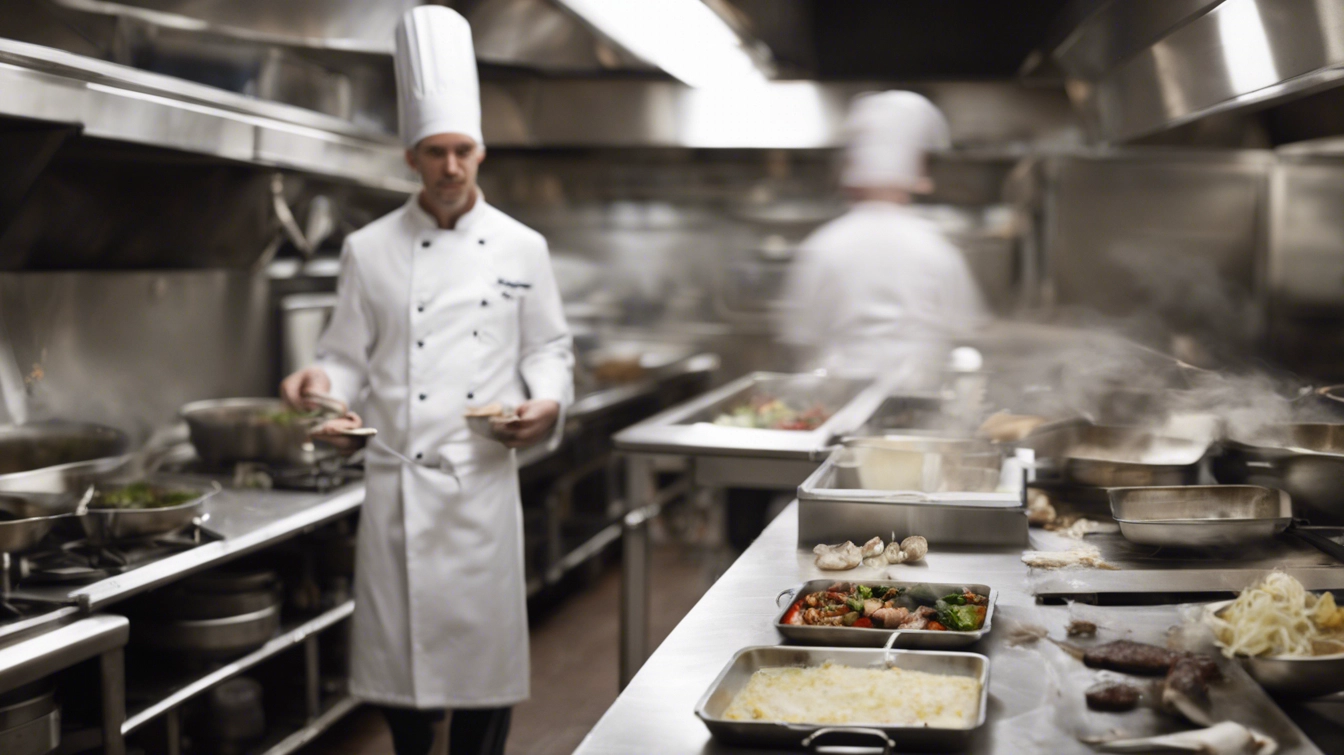
Commercial Kitchen Duct Cleaning
Maintaining a clean and safe environment in commercial kitchens is paramount, not only for the health and safety of staff and customers but also for compliance with legal standards. One critical aspect of this maintenance is the regular cleaning of kitchen ducts, guided by the TR19 regulations. These regulations, established by the Building Engineering Services Association (BESA), provide a framework for ensuring that kitchen ventilation systems are kept in optimal condition.
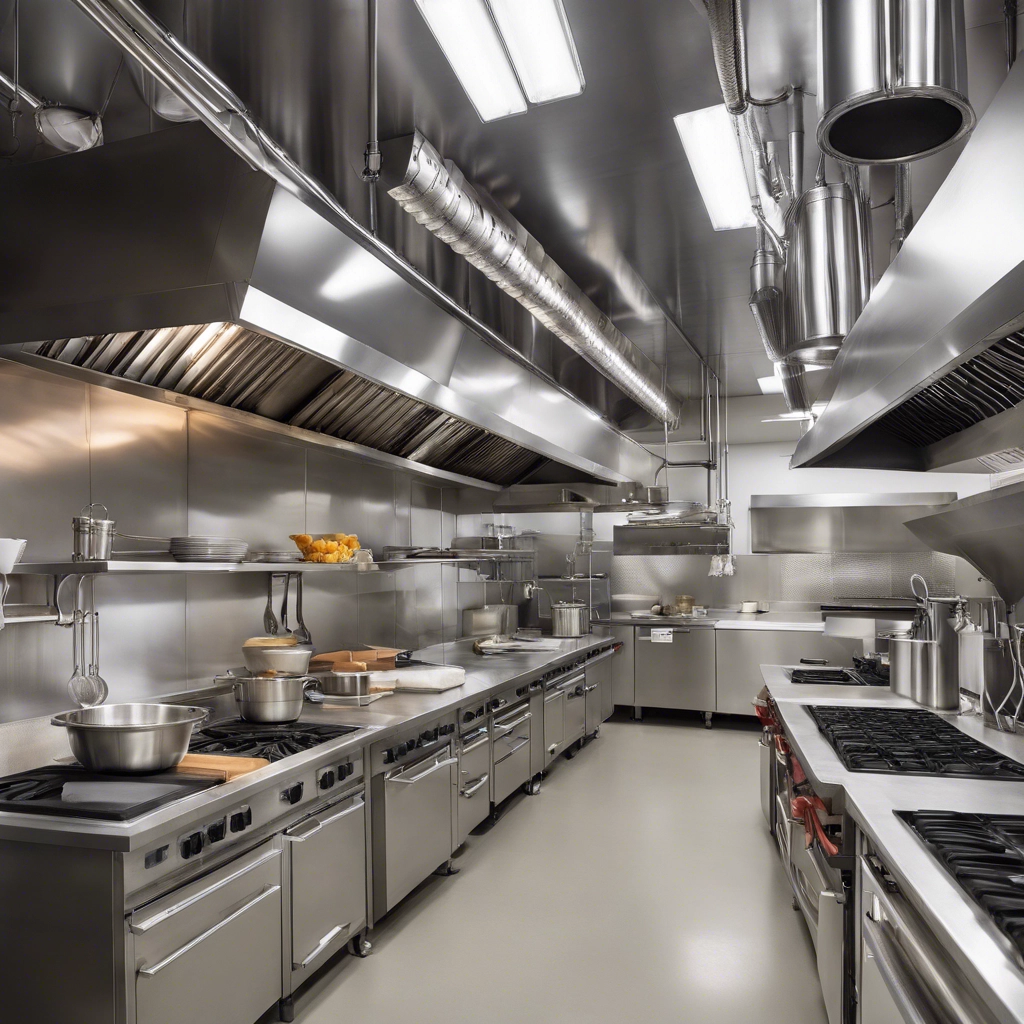
The Importance of Commercial Kitchen Duct Cleaning & TR19 Regulations
The primary reason for regular duct cleaning is to ensure a healthy and safe working environment. Over time, kitchen ducts accumulate grease, fat, and other residues from cooking processes. This buildup can become a breeding ground for bacteria and mold, which can contaminate the air and surfaces in the kitchen. Regular cleaning helps to prevent these health hazards, ensuring that the air quality remains high and that food preparation areas are safe.
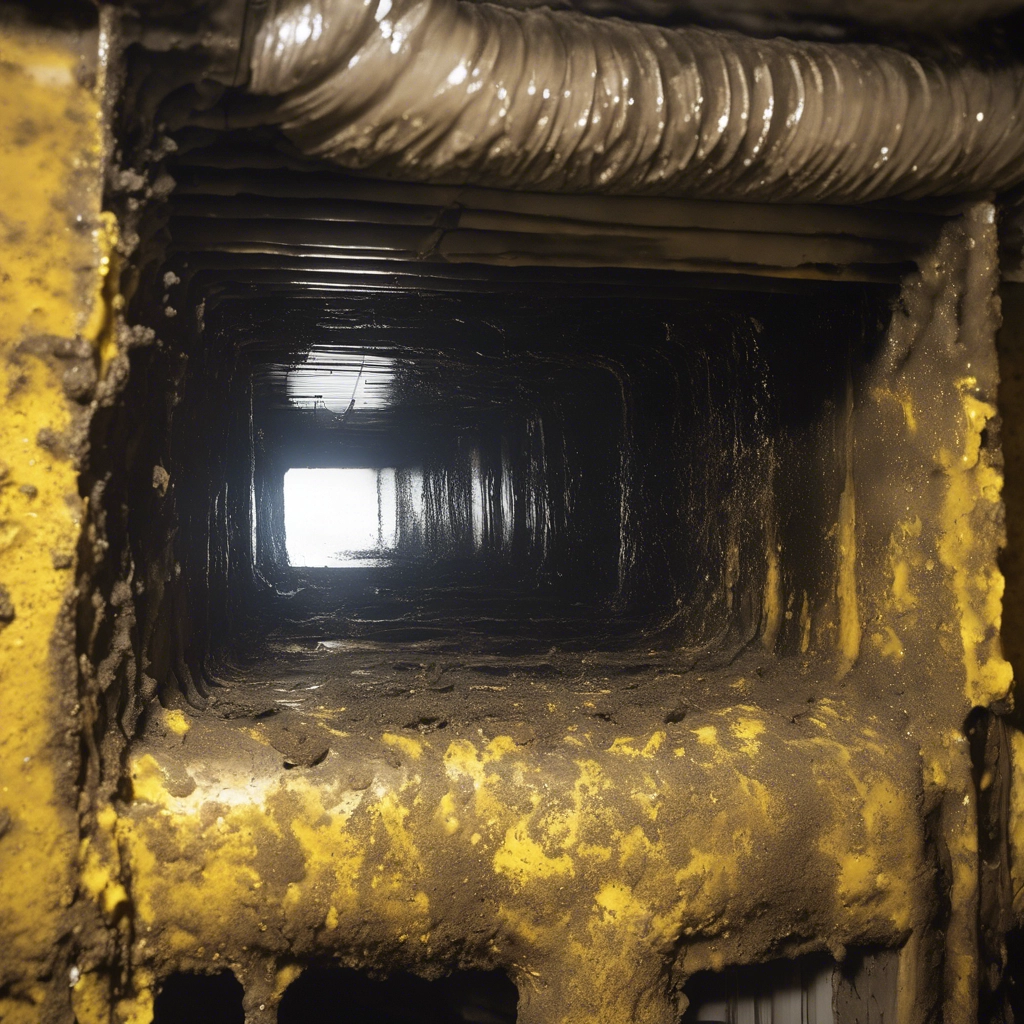
Health & Safety
The primary reason for regular duct cleaning is to ensure a healthy and safe working environment. Over time, kitchen ducts accumulate grease, fat, and other residues from cooking processes. This buildup can become a breeding ground for bacteria and mold, which can contaminate the air and surfaces in the kitchen. Regular cleaning helps to prevent these health hazards, ensuring that the air quality remains high and that food preparation areas are safe.
Legal Compliance
While TR19 itself is not legislation, it is closely linked to legal requirements under the Health and Safety at Work Act and the Regulatory Reform (Fire Safety) Order 2005. These laws mandate that businesses must take reasonable steps to ensure the safety of their premises, including proper maintenance of ventilation systems. Failure to comply with these regulations can result in severe penalties, including fines and closure of the business. Therefore, following TR19 guidelines is not just best practice but a crucial part of legal compliance.
Fire Prevention
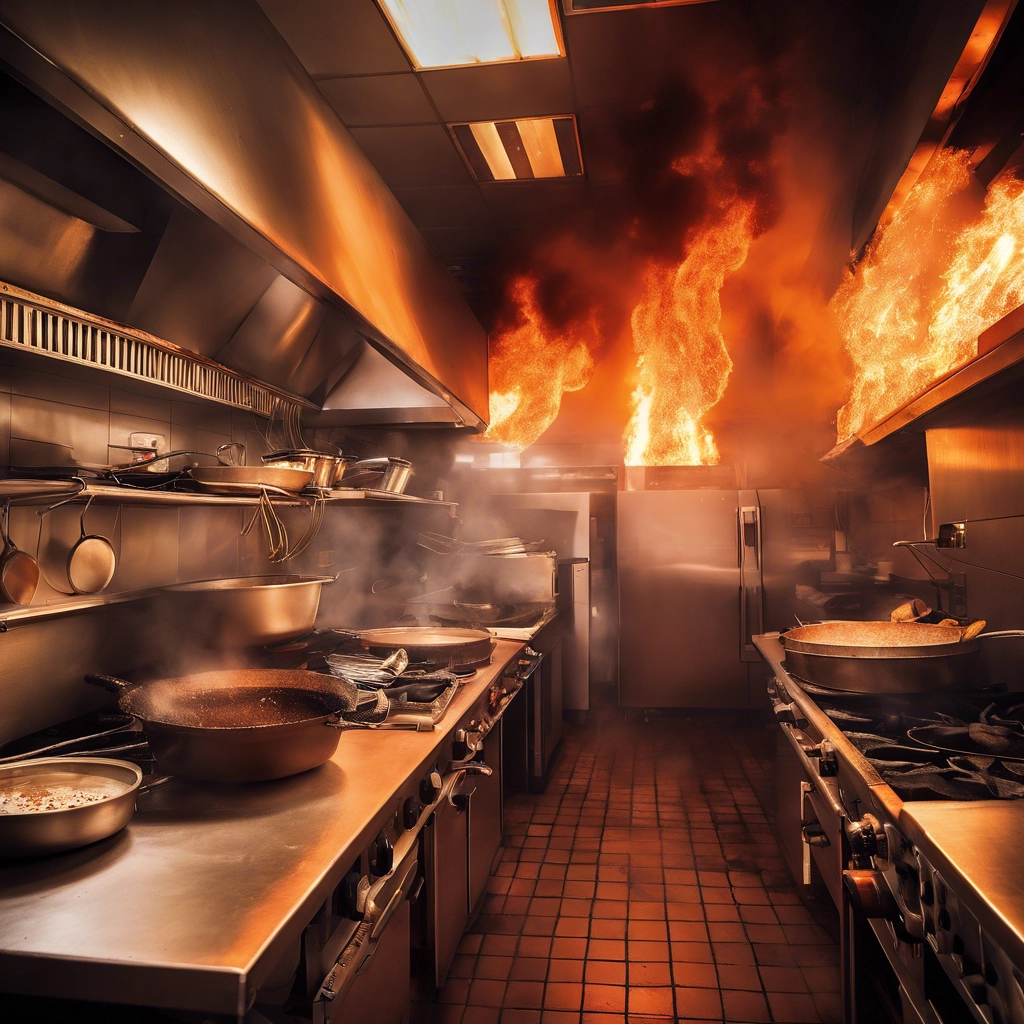
One of the most significant risks associated with unclean kitchen ducts is the potential for fire. Grease and fat deposits are highly flammable, and if not regularly cleaned, they can ignite and cause devastating fires. According to statistics, more than 70% of kitchen fires start in ductwork or extraction systems. By adhering to the TR19 guidelines, which recommend cleaning intervals based on kitchen usage, businesses can significantly reduce the risk of fire. For heavy-use kitchens (12-16 hours per day), ducts should be cleaned every three months; for moderate use (6-12 hours per day), every six months; and for light use (2-6 hours per day), annually.
Insurance Validity
Insurance companies often require proof of regular maintenance and cleaning of kitchen ducts as part of their coverage terms. If a fire or other incident occurs and it is found that the ducts were not cleaned according to TR19 standards, the insurance policy may be invalidated. This can leave businesses facing significant financial losses. Regular duct cleaning ensures that insurance policies remain valid and that businesses are protected in the event of an incident.

Operational Efficiency
Clean ducts contribute to the overall efficiency of kitchen operations. When ducts are clogged with grease and debris, the ventilation system has to work harder to maintain proper airflow. This can lead to increased energy consumption and higher utility bills. Additionally, poor ventilation can result in uncomfortable working conditions, affecting staff productivity and morale. Regular cleaning ensures that the ventilation system operates efficiently, reducing energy costs and creating a more pleasant working environment.

Reputation and Customer Trust
Maintaining high standards of cleanliness is essential for building and maintaining a good reputation. Customers are more likely to trust and return to a business that prioritizes hygiene and safety. Visible signs of poor maintenance, such as unpleasant odors or visible grease buildup, can deter customers and harm the business’s reputation. By adhering to TR19 guidelines, businesses demonstrate their commitment to cleanliness and safety, fostering trust and loyalty among customers.
In conclusion, regular cleaning of commercial kitchen ducts, as guided by TR19 regulations, is essential for health and safety, fire prevention, legal compliance, insurance validity, operational efficiency, and maintaining a positive reputation. Businesses that prioritize these practices not only protect their staff and customers but also ensure their long-term success and sustainability.