Commercial Duct Cleaning
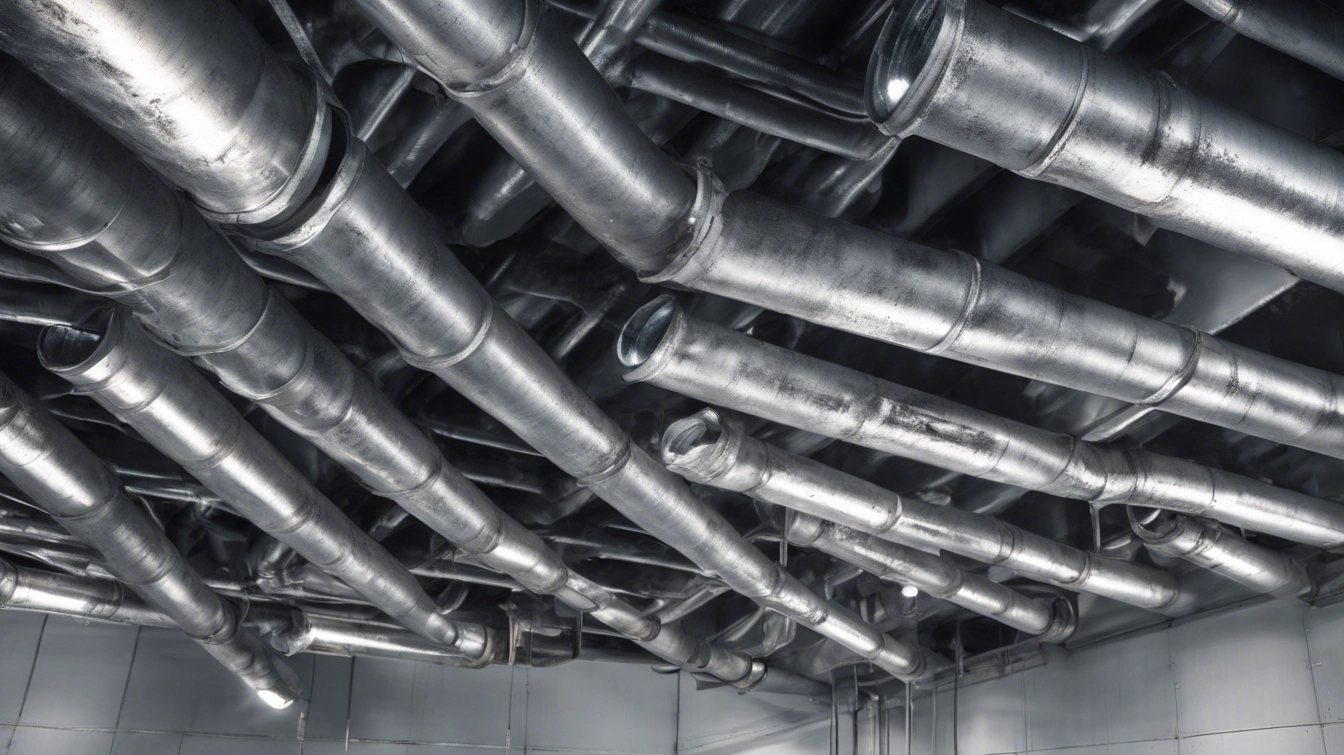
Maintaining a clean and safe environment in commercial environments is essential. For the health and safety of staff and customers and also for compliance with legal standards. One critical aspect of this maintenance is the correct and regular cleaning of ducting which is guided by the TR19 regulations. TR19 regulations provide a framework for ensuring that ducting and ventilation systems are kept in optimal condition.
The Importance of Commercial Duct Cleaning
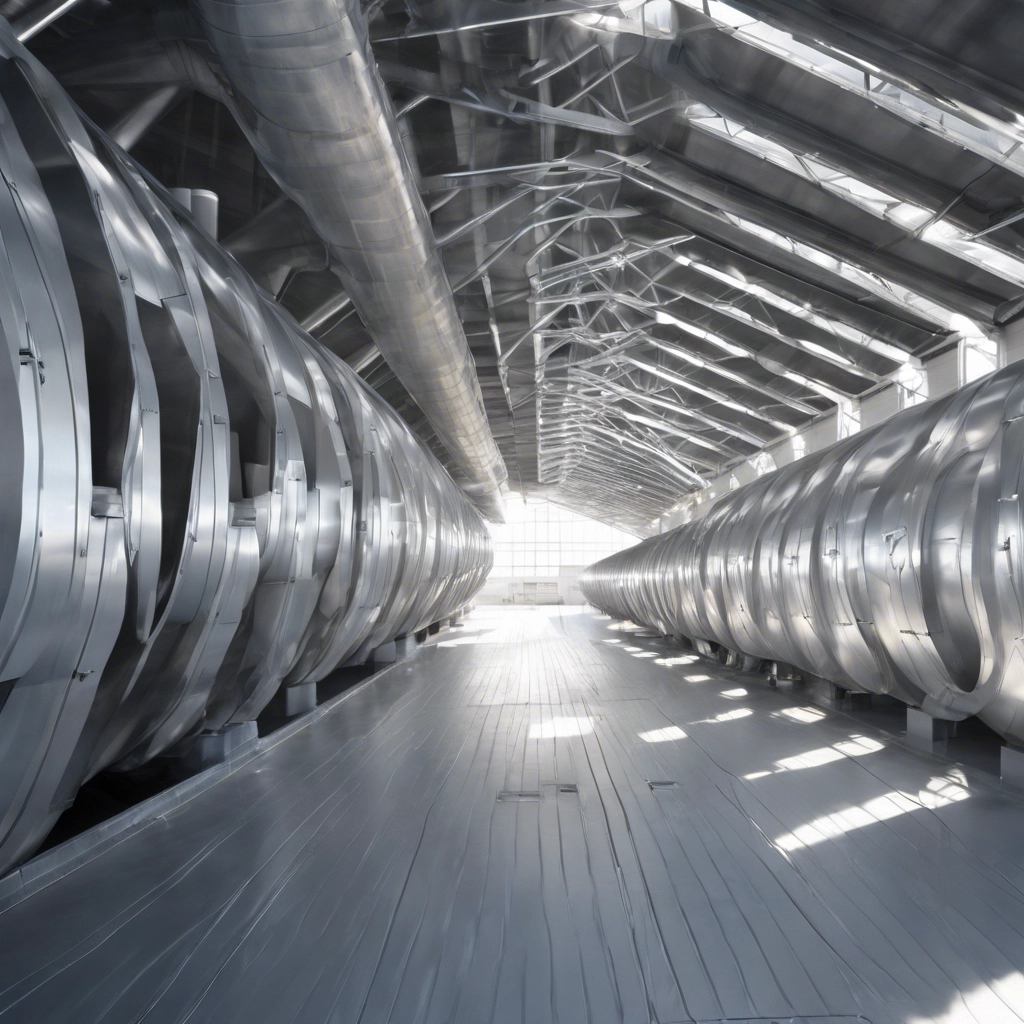
Commercial duct cleaning is a vital practice for maintaining a healthy and efficient environment in business settings. The HVAC (Heating, Ventilation, and Air Conditioning) systems in commercial buildings are responsible for circulating air throughout the premises. Over time, these systems can accumulate dust, dirt, and other contaminants, which can lead to various issues if not properly maintained.
Health & Safety
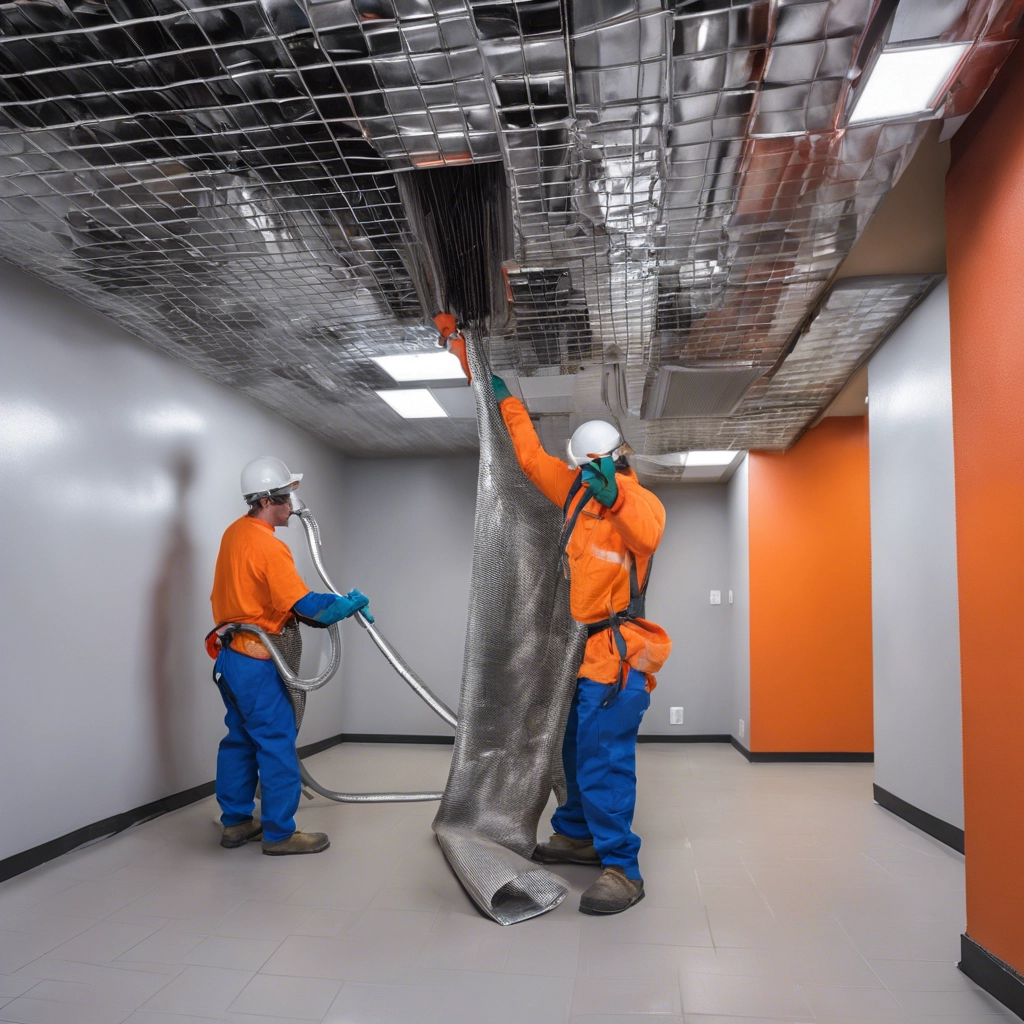
One of the primary reasons for regular duct cleaning is to maintain indoor air quality. Poor air quality can lead to numerous health problems, including respiratory issues, allergies, and even more severe conditions like asthma. Contaminants such as bacteria, mold, and allergens can build up in the ductwork, and when the HVAC system operates, these pollutants are circulated throughout the building. Regular cleaning helps to remove these harmful substances, ensuring a healthier environment for employees and customers alike.
TR19 and BS EN 15780 Standards
The TR19 Guide to Good Practice and BS EN 15780 standards provide detailed guidelines for the cleaning and maintenance of ventilation systems. TR19 is widely recognized in the industry and often cited by insurers. It outlines best practices for maintaining the cleanliness of ventilation systems, including the frequency of cleaning and the methods to be used. BS EN 15780, the British Standard for cleanliness levels in ductwork, classifies different risks according to a building’s intended use and provides clear guidelines for maintaining air quality.
Fire Risk Reduction
In commercial kitchens and other environments where grease and other flammable substances can accumulate, dirty ducts can pose a significant fire hazard. Regular cleaning of these ducts is crucial to prevent grease buildup, which can ignite and cause fires.
This is particularly important in industries such as hospitality and food service, where the risk of fire is higher.
Energy Efficiency
Clean ducts are essential for the efficient operation of HVAC systems. When ducts are clogged with dust and debris, the system has to work harder to circulate air, which increases energy consumption and, consequently, utility bills.
By keeping the ducts clean, businesses can improve the efficiency of their HVAC systems, leading to significant cost savings. Additionally, an efficient system reduces wear and tear on the equipment, potentially extending its lifespan.

Regulation of Commercial Duct Cleaning in the UK
In the UK, the regulation of commercial duct cleaning is governed by several laws and standards aimed at ensuring the safety and health of building occupants.
The Health and Safety at Work etc. Act 1974
This foundational safety law imposes a general duty of care on employers to ensure the health, safety, and welfare of all employees and visitors in the workplace. This includes maintaining systems related to the environment of the workplace, such as heating and ventilation systems.
The Workplace (Health, Safety and Welfare) Regulations 1992
These regulations stipulate that employers must ensure that all enclosed workplaces are adequately ventilated by fresh or purified air. To comply, ventilation systems must be maintained free of faults and regularly checked to prevent the deterioration of air quality.
The Control of Substances Hazardous to Health Regulations
Under these regulations, employers must assess health & safety risks from potentially hazardous substances in the workplace. Employees are to be protected from substances that may be damaging to their health, such as dust and other contaminants that accumulate in ductwork.
Regular commercial duct cleaning is essential for maintaining a healthy, safe, and efficient working environment. It helps to improve air quality, enhance energy efficiency, and reduce fire risks. In the UK, strict regulations and standards ensure that businesses adhere to best practices in duct cleaning, safeguarding the health and safety of employees and customers. By investing in regular duct cleaning, businesses can not only comply with legal requirements but also create a more pleasant and productive environment.